

A landmark shift in Indian sports governance is underway as the government edges closer to implementing a new policy for OCI sports eligibility reform that could allow Overseas Citizens of India (OCI cardholders) to represent the national team in international competitions.
The OCI sports eligibility reform, tabled for Parliamentary discussion this month, has long been in demand from fans, especially in football circles. With increasing pressure from diaspora communities and a clear need to strengthen India’s global competitiveness in sports like football, athletics, and tennis, the proposal has begun to gain political and institutional traction.
Parliamentary Green Light First
The first hurdle for the proposal is legislative approval. The policy will require amendments to existing citizenship, passport, and sports eligibility regulations to legally allow OCI holders—who do not possess Indian passports—to be selected for national teams.
According to senior government officials, the Ministries of External Affairs, Home Affairs, and Youth Affairs and Sports are currently reviewing cross-departmental implications. Once approved by Parliament, the reform will pave the way for eligible athletes of Indian origin residing abroad to wear the Indian jersey without renouncing their foreign citizenship.
FIFA and Global Compliance Remains Key
Even with domestic legislation in place, international recognition is essential. Governing bodies such as FIFA and the International Olympic Committee require athletes to hold a valid passport from the country they represent. This presents a roadblock for OCI cardholders, who are not eligible for Indian passports under current law.
To address this, Indian authorities are reportedly exploring diplomatic negotiations to introduce a special “athlete document” or temporary passport-equivalent travel ID for international sporting purposes.
“There are precedents for this,” said a senior official from the All India Football Federation. “Countries like Algeria and Turkey have facilitated similar eligibility flexibility. India will now need to engage with FIFA and the AFC (Asian Football Confederation) to seek regulatory alignment.”
New Documentation Framework Needed
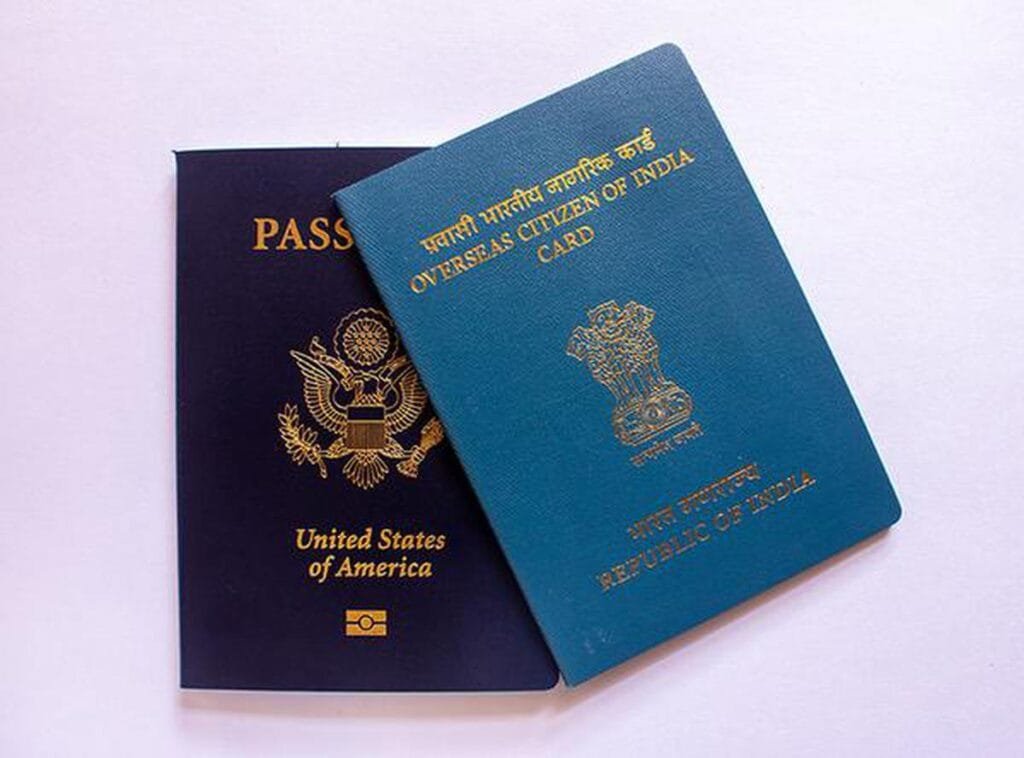
Logistical challenges remain significant. Current immigration and travel rules restrict OCIs from using Indian documentation for international travel, which is a major issue when it comes to sports tournaments that require passport verification, visa issuance, and regulatory clearance.
The Home Ministry may introduce a sports-specific travel document to enable OCI athletes to compete in official events. This would require coordination across the MEA, MHA, FRRO, and the Sports Authority of India.
Player Decisions and Cultural Factors

Even if legal and procedural hurdles are cleared, the participation of OCI players will ultimately depend on individual decisions. Athletes may be reluctant to risk their existing citizenship status or face challenges with club-versus-country scheduling conflicts.
Indian-origin players like Yan Dhanda, Dilan Markanday, and Danny Batth have shown interest in representing India
Former national coach Stephen Constantine has repeatedly advocated for a system that taps into India’s overseas talent. “You can’t ignore the diaspora. Players abroad can instantly boost the Indian team’s quality and competitiveness,” he said

A Reform With Far-Reaching Impact
The proposed OCI sports eligibility reform marks a pivotal moment for India’s sporting future. It could unlock a global talent pool and address long-standing issues in grassroots development, particularly in football. However, it is not a single-step transformation. The reform’s success will depend on careful execution across legal, international, and athlete engagement levels








Great news for Indian sports especially football