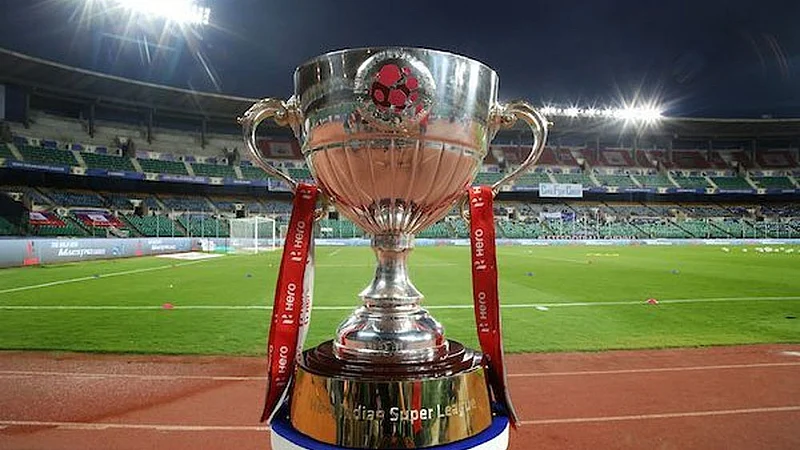
Twelve years on from its glitzy unveiling, the Indian Super League is no longer fighting for relevance. It is fighting for survival. And on Friday, in a Delhi boardroom, the league’s future will be written.
Indian Super League’s Season of Survival
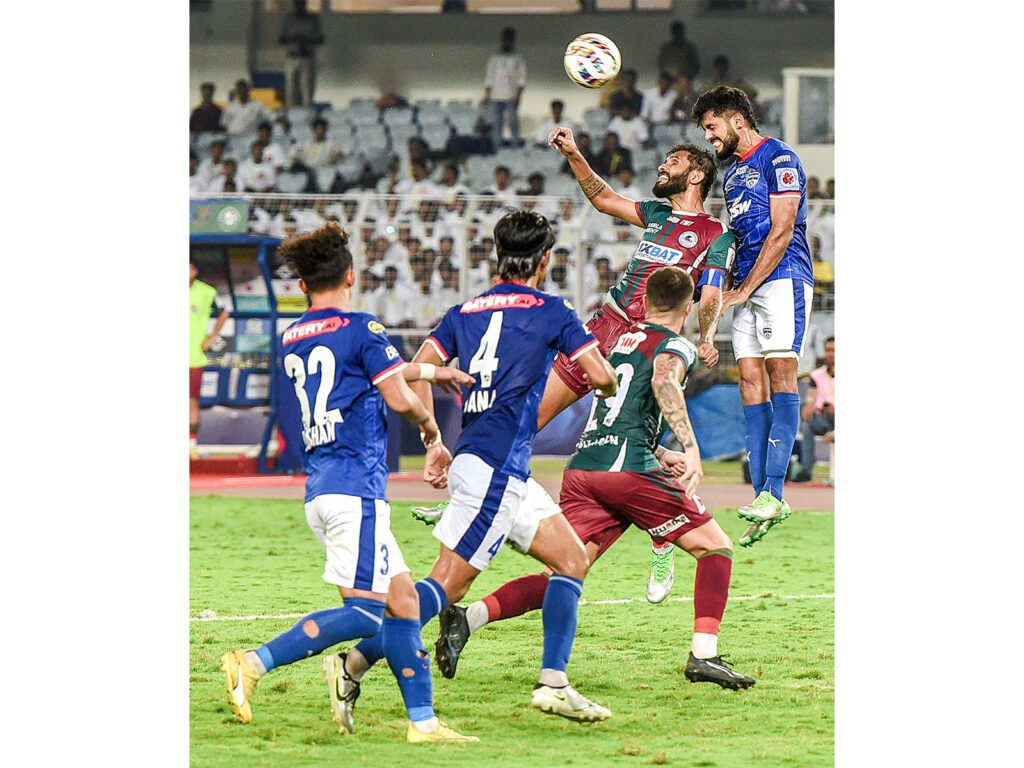
The 2025-26 Indian Super League was meant to be a celebration of top-tier football. Instead, it has become a season of survival. The campaign began only on February 14, 2026, after months of paralysis. The trigger was the looming expiry of the 15-year Master Rights Agreement between the All India Football Federation and Football Sports Development Limited. Meanwhile, the Supreme Court restrained the AIFF from renegotiating the deal until its verdict on the draft constitution case. As a result, the federation redesigned the league into a single-leg, 91-match format. The financial damage, however, has been severe. Last year, Bengaluru FC, Odisha FC and Chennaiyin FC paused operations or salaries. Foreign players walked away. The proposed budget shrank to ₹24.26 crore. Although the league limped to its scheduled finish of May 21, the harder questions about the future of Indian football remain unresolved.
ISL Clubs Push for a Club-Led Future
Against that backdrop, the clubs have decided to act. On May 13, the 14 ISL franchises, barring East Bengal FC, jointly wrote to the AIFF and the Sports Ministry. Bengaluru FC’s Director of Football, Darren Caldeira, signed the letter on their behalf. It proposes a club-led operating structure for the league. Under the model, clubs would collectively retain 90 per cent of the league’s economic interest. The AIFF would hold the remaining 10 per cent alongside its regulatory oversight. Furthermore, Genius Sports would feature only as a data and technology partner. The London-based firm had bid ₹2,129 crore over 20 years to become the league’s commercial controller. To allay concerns at the federation, the clubs have offered to pay roughly ₹12.65 crore annually. That figure matches the AIFF’s guaranteed first-year revenue under the original Genius Sports framework.
May 22 Meeting Looms Over Indian Football’s Future
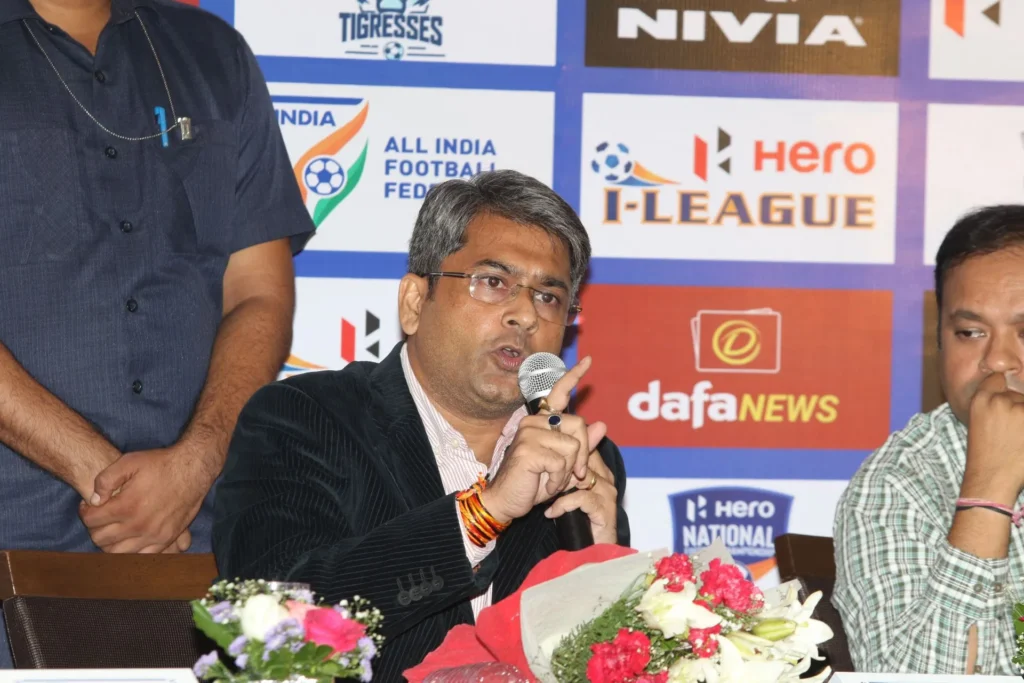
The decisive moment arrives on May 22, when AIFF president Kalyan Chaubey will meet club representatives. The encounter could prove the most consequential in the league’s 12-year history. After that conversation, the AIFF Executive Committee will weigh the Genius Sports proposal at a special general meeting on May 23. Chaubey, meanwhile, will remain in office until at least the end of 2027 under the National Sports Governance Act. He has previously assured stakeholders that football will continue regardless of administrative turbulence. However, the clubs’ counter-proposal places the federation in a delicate position. Accept it, and the AIFF cedes operational control of its showpiece competition. Reject it, and risk further fragmentation in a league where the federation has just introduced relegation despite unanimous club objections.
From Westwood to Mohun Bagan: The Human Cost of Uncertainty
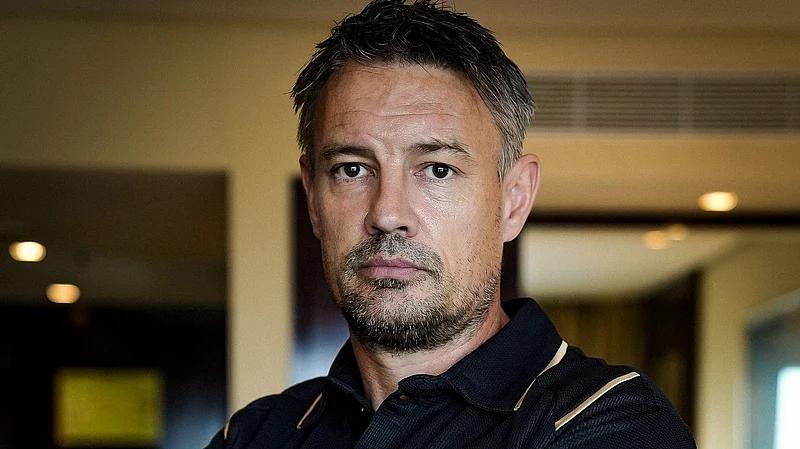
For those inside the dressing rooms, the uncertainty has already extracted a price. Take Ashley Westwood. Since his interim appointment in late March, he has steered Kerala Blasters from the relegation zone to mid-table. Yet, he has refused to commit to a permanent contract until the league’s future becomes clear. “To be honest, the management have asked me a couple of times for meetings,” Westwood said on Sunday, ahead of the Blasters’ final home fixture against FC Goa. Meanwhile, Mohun Bagan, the defending champions, remain banned from AFC competitions until 2028-29 over an unfulfilled Iran fixture. FC Goa, by contrast, have already secured an AFC Champions League Two playoff berth as Super Cup winners. The season ends on May 21. What follows, it appears, will unfold not on the pitch but in a Delhi boardroom.