

Australian-born winger Ryan Williams has taken an unusual yet deeply personal path through the world of football. Now an Indian citizen and an important player at Bengaluru FC, he sits down with us to reflect on his early years in Australia, the challenges of adapting to a new footballing culture, the emotions behind pulling on the national team jersey for the first time, and how reconnecting with his family’s roots has shaped him on and off the pitch.
Can you take us back to your early days in Australia? What sparked your passion for football, and how did your family’s Indian roots influence your path?
I grew up in a footballing family, and that played the biggest role. On my dad’s side, he was born in the UK before moving to Australia, where he met my mum. From both sides of the family, football was the only sport anyone played. Whenever the cousins got together, 15 or 16 of us, it always turned into a massive football match.
I enjoyed the game early on, but didn’t fully fall in love with it until I was about 11 or 12. In Australia, we played football in the winter and played another sport in the summer. My twin brother chose indoor football, but I chose athletics and even held a few school records. I once told my mum I wanted to go to the Olympics. But when my older brother went to the UK to play football, that changed everything. It gave me a clearer sense of direction.
My Indian heritage didn’t directly shape my footballing path, but it has always been part of who we are as a family.
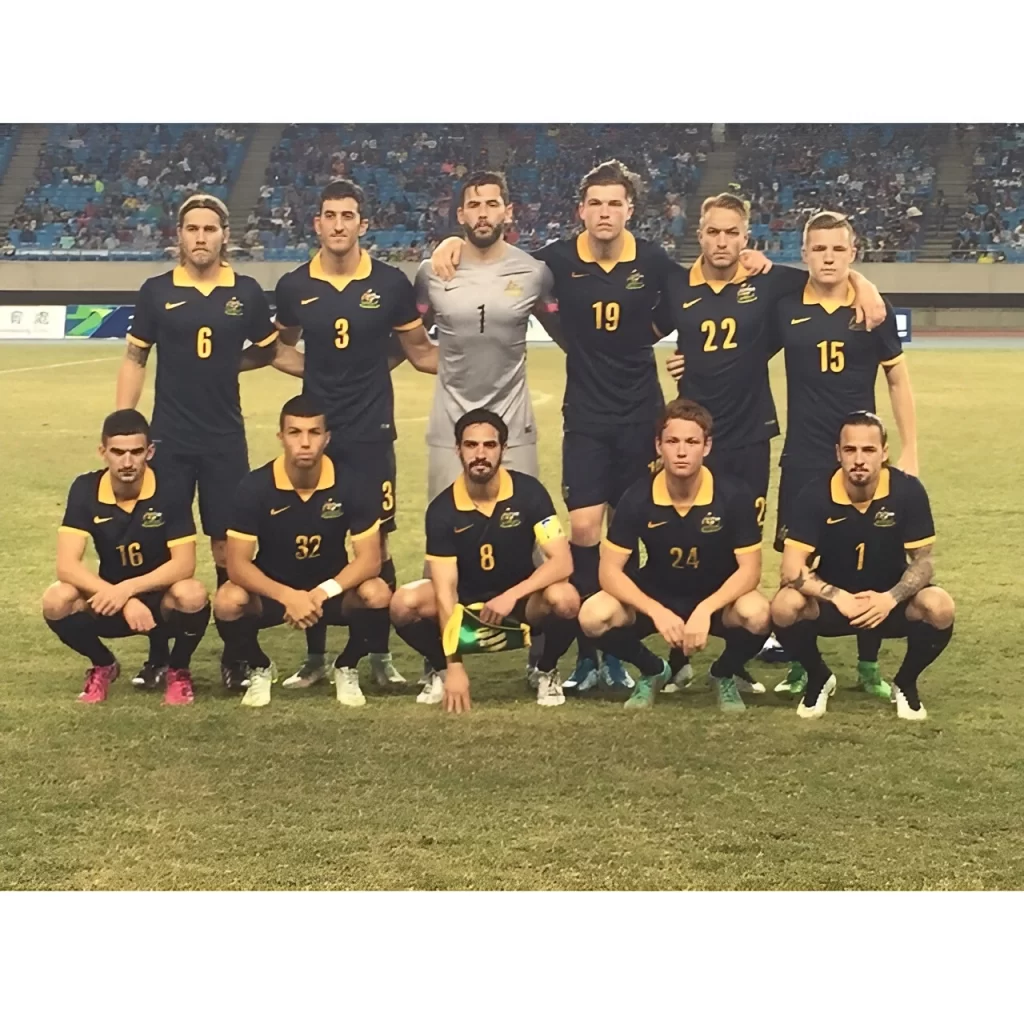
You recently relinquished your Australian passport to become an Indian citizen. What emotions did you experience, and has it changed your sense of identity?
I don’t think it changed my identity. For me, identity is about who you believe you are. I’ve always known what my family stands for and where I come from. Perhaps it has changed how others see me, which is actually pretty cool.
Emotionally, it was a long and stressful process. When I arrived in August 2023, I asked around to see if it was even possible. Some people said “maybe,” but most said “no”—right till the end. But I’m stubborn, so I kept going. Eventually, we got it done, and I’m very happy about it.
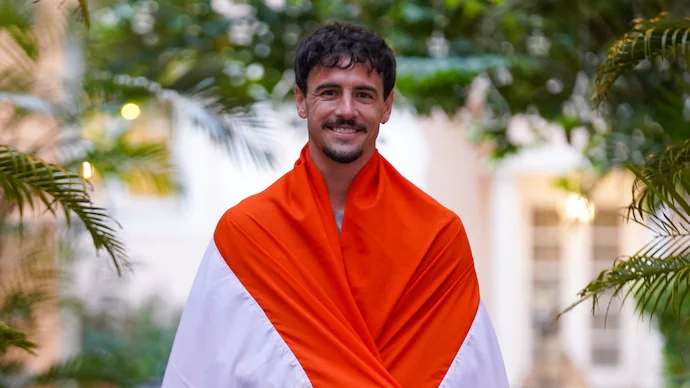
With your Mumbai roots, how has reconnecting with India influenced you on and off the pitch?
It’s funny, because I’ve only been to Mumbai once when we played there in my first season. So, I wouldn’t say Mumbai itself shaped me directly.
My grandmother was born in Hubli, Karnataka. That connection feels much stronger now because Karnataka genuinely feels like home. When I leave Bengaluru, I feel like I’m away from home. The people here have taken me in as one of their own. It has become a full-circle moment because my grandmother is from this part of India, too.
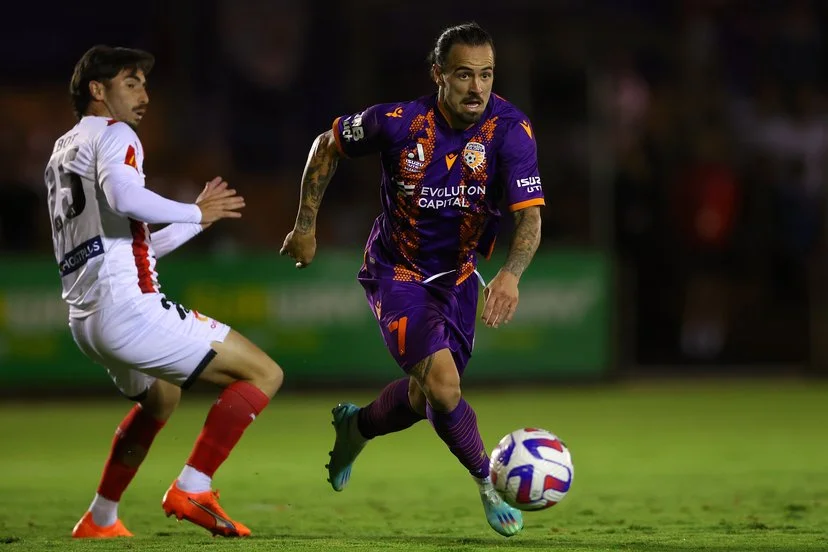
You’ve been with Bengaluru FC for more than two years. What has been the highlight so far, and how did the club help you settle into Indian football?
The club did a lot to help me settle. I’d played 12 years in the UK, and Simon Grayson brought me here along with an all-British coaching staff. That familiarity helped with the transition because the dressing-room culture in India is quite different. In the UK, there’s a lot more banter, and having people who understood that made things easier.
As for highlights, I’d say the ISL final. The occasion, 65,000 people, my wife and kids in the stands, was incredible. It was also heartbreaking because of the result. We still haven’t won a trophy since I came here, and we’re all desperate for one. But that final made me hungrier to go and achieve something this season.
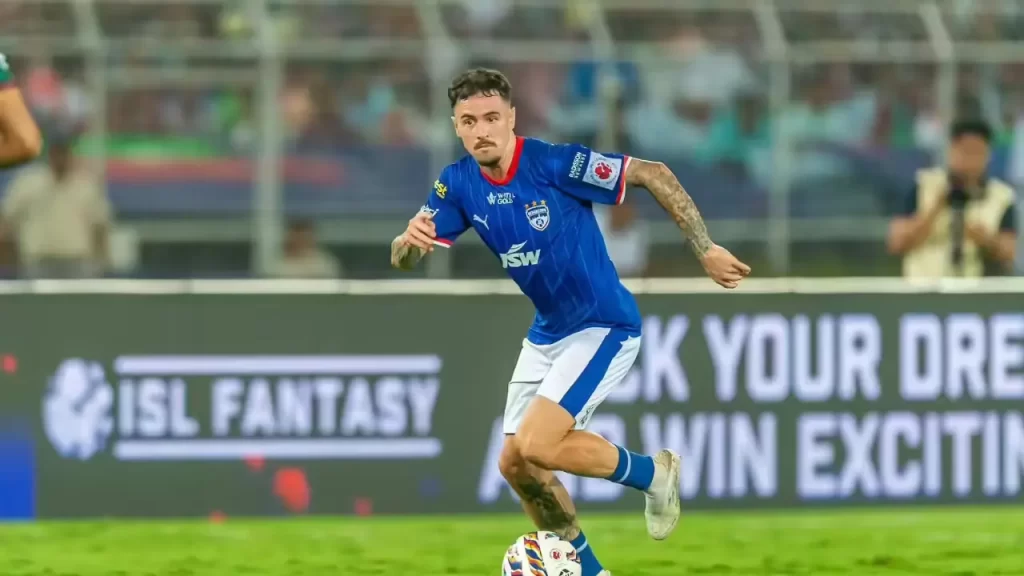
Bengaluru FC has a passionate fanbase. What’s your most memorable moment with the supporters, and how do they compare to crowds you’ve experienced elsewhere?
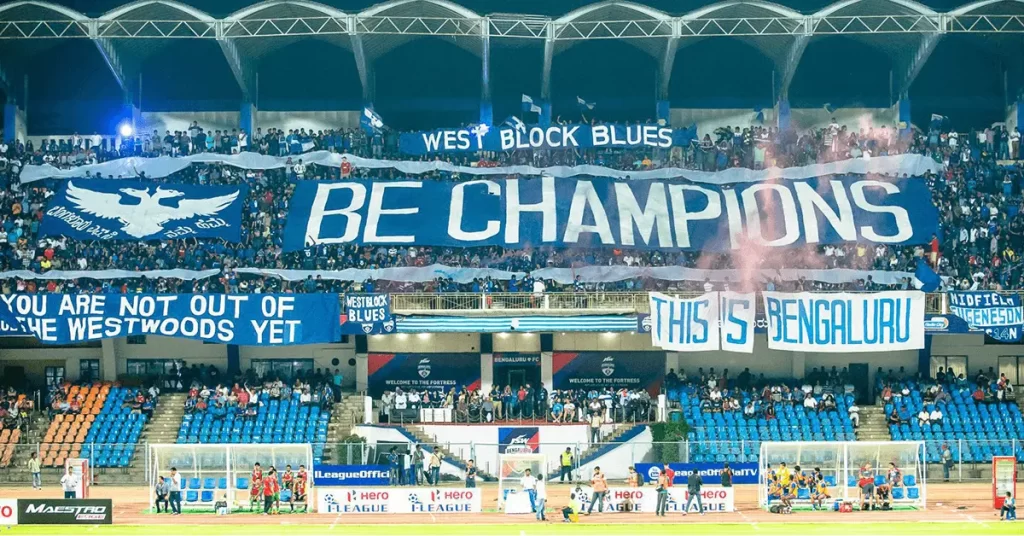
It’s different from the UK because the stadiums there are tighter. Fans are right on top of you, sometimes intimidatingly so. Here, they’re a bit farther away, but the passion is amazing.
Our fans are incredibly loyal. In many places, supporters can be fickle. Lose one match, and they’re booing. But I remember when we lost 4–0 to Mumbai, I didn’t play that day, but the fans still clapped and sang for us. That sort of loyalty stays with you.
A standout moment would be beating Kerala Blasters at home last season. A big rivalry match, a wild game, and a fantastic atmosphere.
As a right winger, how has the style of play in the ISL challenged you compared to previous leagues?
It took me about six months to properly adjust. The pitches, the defenders, and the tempo are all different. The technical ability here is good, but the decision-making and fitness levels vary. The last 20 minutes of ISL games can become very open, which actually suits my style. But it has definitely been a different kind of challenge.

Congratulations on your call-up to the Indian national team. What did that moment mean to you after completing the citizenship process?
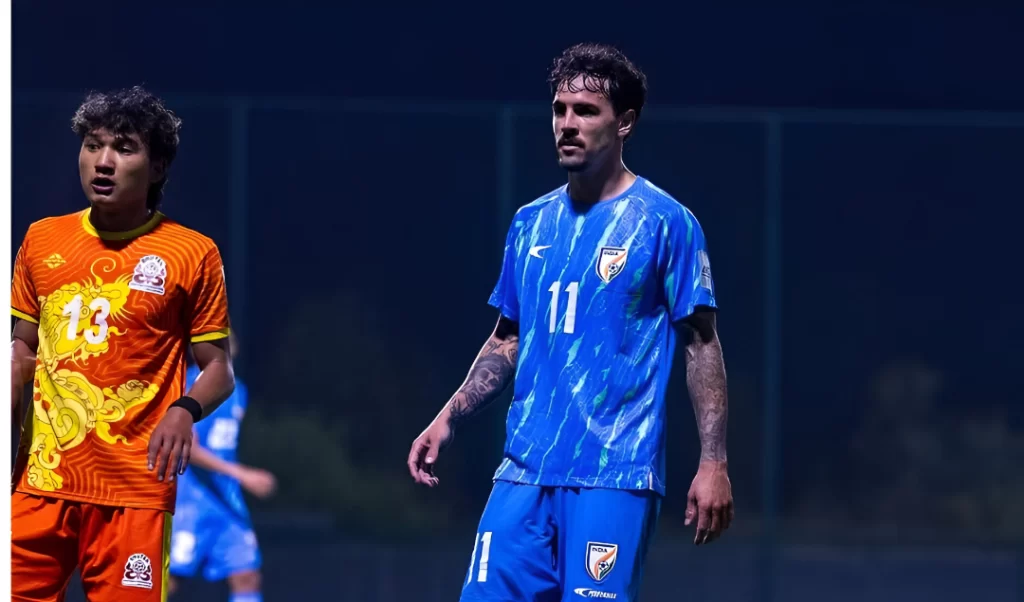
Putting on the Indian jersey for the first time, even in the friendly against Bhutan, was really special. Travelling with the squad and being part of the group felt meaningful after everything that went into the citizenship process.
My pathway wasn’t through OCI; it was through registration. So I didn’t apply separately, but I still had to wait a year. When the call finally came, it felt incredible. Representing India is an honour I’ll always cherish.
What advice would you give to young Indian players dreaming of a professional football career?
Don’t be scared. Don’t fear failure. I feel like sometimes players here hold back because they’re afraid to make mistakes. But you have to believe in yourself and keep working hard.
When I was 18, people told me that, and I didn’t fully understand it. Now, in my 30s, I say the same thing to the younger boys. If you lose the ball, it’s fine, try again. Aim for goals that seem unattainable; even if you fall short, you’ll still reach a high level.