
An Empty Tender and a League in Limbo
For the first time since its inception, the Indian Super League (ISL) finds itself on uncertain ground. The recent broadcast tender, once expected to spark fierce bidding, closed with not a single offer. The silence is telling. As questions swirl around the future of the Indian football flagship league, one model is gaining attention: the Premier League’s club-owned consortium, a structure rooted in transparency and shared responsibility.
Premier League Governance: Clubs at the Helm, FA as Guardian
The Premier League’s stability and global appeal have much to do with its unique governance model. In England, the league is a company owned by its 20 clubs. Each club holds a single share and has an equal vote in shaping rules, approving commercial contracts, and making key decisions. Crucially, any significant change requires a two-thirds majority, preventing hasty or divisive moves.
Oversight comes from the Football Association (FA), which holds a special share. This share grants the FA limited veto power over changes that might affect the game’s core values, ensuring a balance between club ambition and the broader interests of English football.
“When the stakeholders shaping the product also bear its risks, accountability and alignment naturally follow,” noted a European football administrator.

Revenue Distribution: The 50-25-25 Formula
One of the Premier League’s defining strengths lies in its clear approach to revenue sharing. To begin with, the league divides domestic broadcast revenue using a simple formula. First, all clubs receive 50% as an equal share. Next, facility fees account for 25%, and clubs earn these based on the number of their televised appearances. Additionally, merit payments make up the final 25%, and the league awards these according to each club’s final position.
When it comes to international rights, the league initially grants every club an equal share. As revenue grows, it also adds a merit element. Moreover, the league splits central commercial income equally. Thanks to this clear and transparent structure, every club can plan its finances with certainty. At the same time, the model motivates clubs to perform both on and off the field.
Pyramid Support: Solidarity and Parachute Payments
The Premier League’s financial ecosystem extends beyond the top flight. Relegated clubs receive “parachute payments” to help manage the transition to lower revenue in the Championship. Meanwhile, “solidarity payments” support clubs in the lower tiers, ensuring the health of the wider football pyramid. Investment in grassroots facilities, coaching, and infrastructure is coordinated by the league, the FA, and public agencies.
ISL’s Current Challenge: Crisis of Trust and Uncertainty
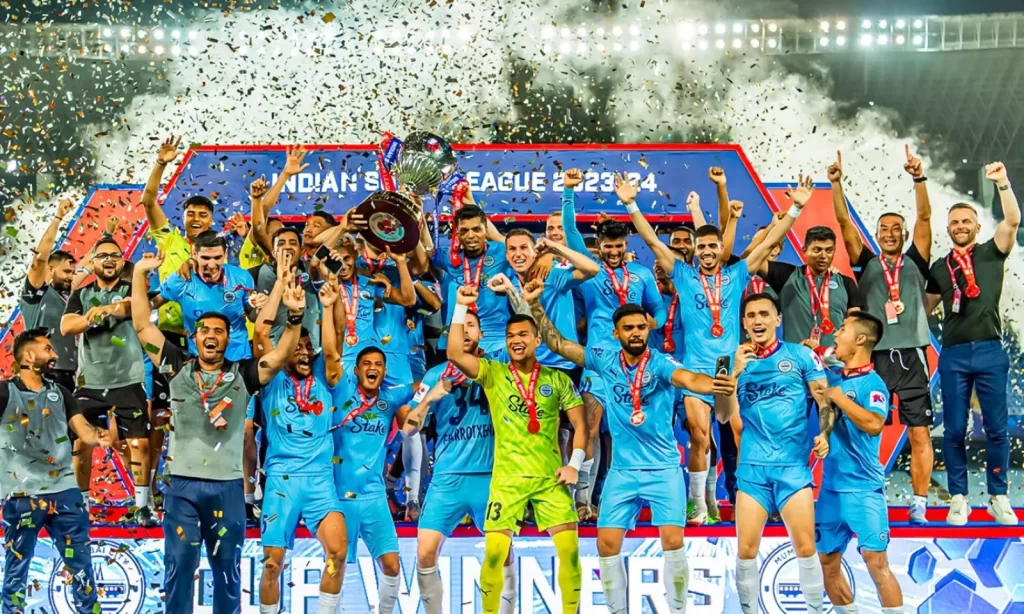
The ISL’s commercial rights have long been controlled by a central operator under the All India Football Federation (AIFF). The failure of the latest tender exposes a growing trust deficit. Broadcasters and sponsors are wary of inconsistent calendars and unclear revenue models. Clubs are left uncertain about future income. The fans, meanwhile, are left to wonder if their league will return stronger—or at all.
Why a Premier League-Style Consortium Could Steady the ISL
Shared Ownership, Clear Governance
If ISL clubs adopt a consortium model, they become both the owners and the architects of the league. Each club would have an equal say, and all major decisions would require broad consensus. This collective ownership could reduce abrupt rule changes and foster a sense of shared destiny.
AIFF’s Role as Oversight Body
Under this model, the AIFF would mirror the FA’s position, holding a special share to veto changes that threaten the integrity or structure of Indian football. This would maintain regulatory oversight while allowing clubs to manage commercial and operational affairs.
Transparent Revenue Distribution
A published formula—mirroring the Premier League’s 50-25-25 split—would give ISL clubs financial predictability. Facility and merit payments would encourage strong performances and audience engagement, restoring faith among sponsors and broadcasters.
Strengthening the Indian Football Pyramid
Adopting parachute and solidarity payments, administered by the AIFF, would ensure that relegation does not become a death sentence for clubs and that support flows to the I-League and grassroots initiatives. A healthy pyramid is essential for the league’s long-term future.
A Blueprint for Revival
The Premier League’s model offers ISL three crucial lessons:
- Credibility comes from club alignment and transparent governance.
- A public revenue-sharing formula attracts both broadcasters and investment.
- A sustainable pyramid secures the game’s future beyond the top tier.
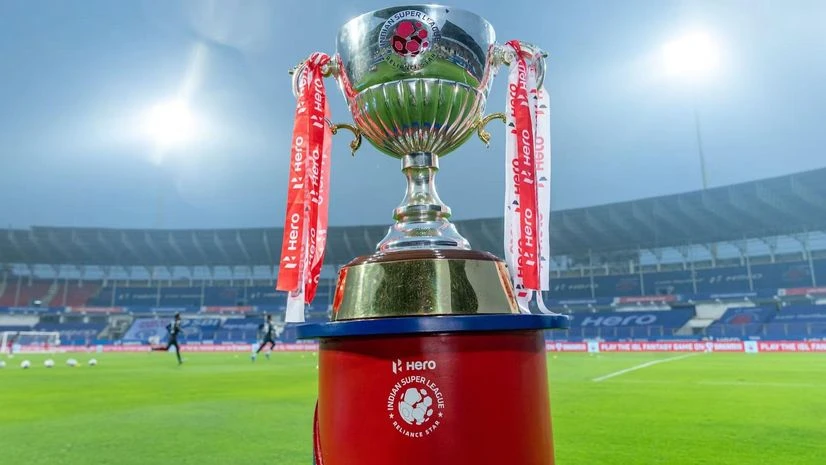
The failed tender is a warning bell, not a death knell. By embracing a Premier League-style consortium under AIFF oversight, ISL can rebuild trust, attract investment, and offer certainty to fans and partners alike. It is a path that demands discipline but promises the stability Indian football urgently needs.